
Your website looks great. Your reviews are solid. But the phone still isn’t ringing enough. If that sounds familiar, you’re not alone, and you’re not doing anything wrong. You’re just invisible to the people searching for you right now.
That’s the gap PPC advertising services are built to close. Pay-per-click puts your business at the top of Google the same day you launch, in front of someone in Fort Worth who is actively searching for exactly what you sell. No six-month wait.
In this guide, we’ll walk through how PPC actually generates leads fast, what a real campaign setup looks like, why Fort Worth businesses need a different approach than the big national brands, and the mistakes that quietly drain a budget. We’ve run these campaigns for local business owners across the metro, so this comes from what actually works, not theory.
What “Fast Leads” Actually Means With PPC Advertising Services
Let’s start with the honest answer: PPC advertising services don’t magically create leads out of thin air. What they do is put your business in front of people who already want what you’re selling, at the exact moment they’re searching for it.
Think about the last time you searched for something urgent: a leaking pipe, a broken AC in July, a last-minute gift. You didn’t scroll through five pages of results. You clicked one of the first two or three ads and called.
That’s the entire mechanism behind pay-per-click marketing for small businesses. On average, businesses earn about two dollars back for every one dollar spent on Google Ads, and well-optimized campaigns can climb much higher. That’s not a guarantee for every account, but it shows the channel works when it’s run with care.
Here’s the part most articles skip: speed is the whole point. SEO is a long game and a worthwhile one, but it takes months to build momentum. PPC skips the line. A new campaign can start driving calls and form fills within days of going live because you’re not waiting to rank; you’re paying for placement.
A few things make PPC different from a billboard or a boosted Facebook post:
- You only pay when someone actually clicks
- You choose exactly which searches trigger your ad
- You can turn it on, adjust it, or pause it the same day
- Every dollar is trackable back to a call, form, or booking
Our unique take here, one you won’t hear from many agencies is this: fast leads and cheap leads are not the same goal. Chasing the lowest cost per click often means you’re pulling in tire-kickers. We’d rather you pay a bit more for a click from someone ready to book than pay less for someone who was never going to buy from you anyway.
If you want the deeper comparison between paid and organic, our guide to PPC vs organic marketing in Fort Worth breaks it down further. And if you’re weighing whether the ROI math actually works for your business, take a look at our piece on PPC and Google Ads ROI for Fort Worth small businesses.
Here’s How We Handle It: Setting Up PPC Advertising Services That Work From Day One

Frustrated by agencies that just dump your budget into “auto” settings and call it a strategy? Here’s how we actually build a campaign that’s ready to generate leads from the first day it goes live.
Step one is figuring out who’s actually ready to buy. We start with keyword research that separates buyer intent from browsing. Someone searching “roofing tips” is researching. Someone searching “emergency roof repair Fort Worth” is calling somebody today. We build campaigns around the second kind of search.
Step two is the ad itself. This is where a lot of small business campaigns fall apart. Generic ad copy that could belong to any business in any city doesn’t earn a click. Ads that mention your neighborhood, your specialty, or a real detail about how you work perform better and usually cost less per click, because Google rewards relevance.
Step three is the landing page. This one gets ignored constantly. You can write the best ad on earth, but if it sends someone to a slow, cluttered homepage instead of a page built for that exact search, you’re paying for clicks that walk away. A dedicated landing page with a clear next step, one phone number, one form, one offer, converts at a much higher rate than a generic site.
Step four is tracking. If you can’t see which keyword, ad, and landing page actually produced a phone call, you’re flying blind. We set up call tracking and form tracking before a single dollar goes out the door, not after.
This is the part that separates real PPC advertising services from a set-it-and-forget-it dashboard. One thing we’ve learned managing local accounts that national guides rarely mention: your Google Business Profile and your PPC ads work together, not separately. When someone clicks your ad, a lot of them check your reviews and profile before they call. If those aren’t in shape, the ad did its job and the sale still doesn’t happen.
For more on getting the ad and landing side working together, check out our post on smart PPC strategies to boost local sales and our practical Google Ads tips for Fort Worth businesses.
Frustrated Because Your Traffic Doesn’t Convert? Here’s Where PPC Changes That
Tired of paying for clicks that go nowhere? This is usually a landing page problem, not an ad problem, and it’s one of the most common reasons small business owners give up on PPC too early.
A landing page that converts usually has:
- One clear headline that matches what they searched for
- A short, simple form (three to five fields, not fifteen)
- A visible phone number, not buried in a footer
- Real photos of your team, your shop, or your work
- No distracting menu pulling people away before they convert
We had a client whose ad was performing beautifully. Great click-through rate, reasonable cost per click. But leads were barely trickling in. The problem wasn’t the ad. It was a contact form that asked for nine fields, including a dropdown menu nobody understood. We cut it down to name, phone, and one project detail. Submissions more than doubled within the same ad spend.
Here’s the unique insight most PPC guides leave out entirely: your form is often the actual bottleneck, not your bid strategy. Agencies love to talk about bidding and keywords because that’s the flashy part. The boring stuff, like form length and page load speed, is usually what’s actually costing you leads.
If your forms feel like a hurdle rather than a next step, our guide to form optimization for Fort Worth businesses walks you through exactly what to fix. And if you want to see what a conversion-focused landing page actually looks like, our post on landing pages for Fort Worth small businesses is a good next read.
Why Fort Worth Businesses Need a Different PPC Playbook Than National Brands
Let’s make it simple. National brands can afford to lose a little efficiency because they’re playing a volume game across dozens of cities. You can’t. Every dollar you spend needs to work harder because your budget is smaller and your competition is often local, not national.
That changes how PPC advertising services should be built for a business here in Fort Worth.
Geography matters more than most people think. A generic “plumber Texas” campaign wastes budget by showing your ad to people in Amarillo or Lubbock who will never drive to you. Tight geographic targeting, sometimes down to specific zip codes or neighborhoods like the Near Southside, TCU area, or Alliance corridor, keeps your spend focused on people who can actually become customers.
Local competition also behaves differently than national competition. You’re not just bidding against big brands with unlimited budgets. You’re bidding against three or four other local businesses that know the same neighborhoods you do. That means the businesses with the sharpest, most specific ad copy usually win, not just the ones spending the most.
Nearly half of all Google searches carry local intent, and a large share of people who search for something nearby take action within a day. That’s a massive opportunity for a business that shows up correctly and a real cost for one that doesn’t.
Our unique take here: A lot of Fort Worth business owners get sold “set it and forget it” campaigns built on the same template used for a client in Ohio. That’s a mismatch. A local campaign needs local ad copy, local landing pages, and bids adjusted for how your specific neighborhoods search—not a copy-paste national playbook.
For a broader look at how local ads stack up against organic strategy in this market, see our post on SEO vs paid ads for Fort Worth businesses. If you serve customers through calls and directions rather than online orders, our page on local service ads in Fort Worth is worth a look too.
What Fast Lead Generation Actually Looks Like Week by Week
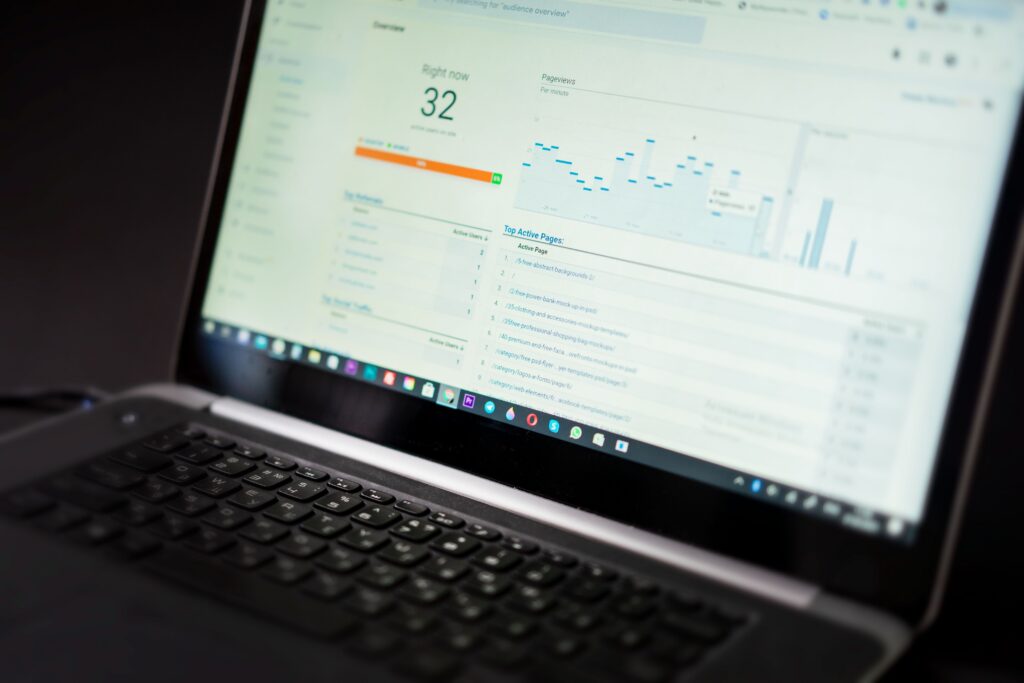
Here’s how we handle it when a new campaign goes live, so you know what to expect instead of guessing.
Week one is mostly setup and early signal. Ads are live, tracking is running, and we’re watching which keywords and ad variations get clicks. You’ll usually see your first calls or form fills within the first few days, sometimes the first day.
Weeks two and three are where the data starts telling a story. Some keywords perform better than expected. Others burn budget without converting. This is when we start trimming what’s not working and putting more budget behind what is.
By week four, a healthy campaign should have a real pattern: an average cost per lead, a rough sense of which ads perform best, and enough data to start optimizing with confidence instead of guessing.
This is faster than almost any other marketing channel, but it’s not instant magic on day one. Anyone who promises guaranteed leads by tomorrow with zero data yet is overselling.
A few numbers worth knowing while you set expectations:
- Average click-through rates on well-run search ads run between 4 and 6 percent, with top positions performing even higher, according to current Google Ads benchmarks
- People who click a paid ad are meaningfully more likely to convert than someone landing on your site organically
- Cost per click varies a lot by industry, so what’s “normal” for a roofer is very different from what’s normal for a law firm
If tracking your numbers feels overwhelming, our post on marketing metrics that actually matter for Fort Worth businesses breaks down what to watch without drowning in spreadsheets. And if you’re trying to figure out what a lead should cost you before you commit budget, check out our guide to lead generation ROI in Fort Worth.
Avoiding the Mistakes That Slow PPC Down
Here’s how we handle the mistakes we see most often, because avoiding them matters more than any clever bidding trick.
Mistake one: no negative keywords. Without them, your ad for “custom cabinet installation” might show up for someone searching “how to install cabinets myself.” That click costs you money and never becomes a customer.
Mistake two: sending every click to the homepage. A homepage tries to speak to everyone. A dedicated landing page speaks to one person searching one specific thing. That difference alone can double your conversion rate.
Mistake three: judging a campaign too fast. Three days of data isn’t enough to know if a keyword works. Give it real time before pulling the plug, or you’ll end up cutting the exact keyword that was about to start converting.
Mistake four: ignoring mobile. More than half of local searches happen on a phone, and a slow or clunky mobile landing page loses people before they ever see your offer.
Mistake five: hiring PPC advertising services based on price alone. A cheap PPC package that skips tracking, testing, and local targeting isn’t actually cheap. It’s just money spent without the ability to see what worked.
If you’ve worked with an agency before and walked away without a clear answer about where your budget went, that’s worth paying attention to. Our post on questions to ask before hiring any marketing agency is a good gut check. And for a deeper look at fine-tuning an existing campaign instead of starting from scratch, see our guide to ad optimization for Fort Worth businesses.
Quick Takeaways
- PPC puts you in front of ready-to-buy searchers immediately, without the months-long wait that SEO requires.
- Businesses see roughly a 2-to-1 return on average with Google Ads, and well-managed accounts can go higher.
- Your landing page and form matter as much as your ad, sometimes more.
- Fort Worth campaigns need local targeting and local ad copy, not a national template.
- A real campaign needs about a month before you can judge performance with confidence.
- Negative keywords, mobile-friendly pages, and call tracking are non-negotiable basics, not extras.
- The cheapest agency isn’t usually the one that gets you the best cost per lead.
Conclusion
If you’ve been waiting on SEO to catch up, or hoping word of mouth eventually fills your calendar, PPC advertising services give you a faster lever to pull. It’s not about spending more. It’s about spending in front of the right person at the right moment, then giving them an easy next step once they land on your page.
We’ve watched Fort Worth business owners go from a quiet phone to a full week booked out because the campaign was built around their actual neighborhood, their actual customer, and a landing page that didn’t get in the way. That’s the difference between PPC that works and PPC that just burns budget.
You don’t need a massive ad budget to start. You need PPC advertising services built around your business instead of a template pulled off a shelf. If you’re ready to see what that looks like for you, reach out to our team and we’ll walk through your numbers together—no pressure, no jargon.
And if you’re still weighing your options or comparing agencies, that’s completely fair. Get in touch with us anyway. A short conversation now can save you months of guessing later.

💬 What our clients say:
⭐️⭐️⭐️⭐️⭐️ Bobby P.
“Megan has been phenomenal to work with. She genuinely cares about our growth and takes the time to understand our business… giving me more time to focus on my company.”
👉 Book a strategy call with us!
Frequently Asked Questions
How fast can PPC advertising services actually generate leads?
Most campaigns start producing calls or form fills within the first few days of launching, though it takes about three to four weeks of data before you can judge true performance and cost per lead with confidence.
How much should a small business budget for PPC advertising services in Fort Worth?
It depends heavily on your industry and local competition, but many small businesses start seeing meaningful results with budgets in the low thousands per month. What matters more than the total number is how tightly it’s targeted.
Is PPC advertising better than SEO for a local Fort Worth business?
They’re not really competitors. PPC gets you visible immediately, while SEO builds long-term, lower-cost visibility over months. Most local businesses see the best results running both together rather than picking one.
What’s the biggest reason PPC campaigns fail for small businesses?
Usually it’s a mismatch between the ad and the landing page, not the ad itself. A great ad sending traffic to a slow, generic homepage almost always underperforms compared to one sending traffic to a focused landing page.
Do I need a big ad budget to compete with larger companies on Google Ads?
Not necessarily. Tight local targeting, specific ad copy, and a strong landing page often let a small business win a click over a national brand with a much bigger budget, especially on searches with real local intent.
References
- DemandSage, Google Ads Statistics 2026