
Ever feel like your ad dollars just disappear? You pay for clicks, but very few people actually become customers. Frustrating, right?
That’s exactly how UX design boosts SEO rankings while improving ad performance. When you focus on how people actually use your site, UX design, SEO, and experience signals work together to get more value from every click. That means more leads, more calls, and more sales without spending more money.

In this article, we’ll break down how UX design boosts SEO rankings by improving analytics insights, user experience, and landing page performance. You’ll see practical ways to improve your pages, measure results, and make smarter decisions about where your ad budget goes. By the end, you’ll have a clear roadmap to get more out of your website and ads.
If you want more ideas on growing your business online, check out Boost Your Business with Fort Worth Digital Marketing Strategies.
Why Analytics Matters for Ad Spend
Ever run an ad and wonder if anyone actually noticed it? Analytics helps answer that. It shows you what’s really happening not just guesses.
For small business owners in Fort Worth, this is huge. You can see which ads bring real leads and which ones waste money. Metrics like clicks, conversions, and return on ad spend (ROAS) tell you the story.
Even better, modern analytics tools let you track how people move through your site. You can see which pages they visit, where they drop off, and what actually leads to a sale. That way, every ad dollar has a purpose.
Quick tip: Think of analytics like a dashboard for your business. You wouldn’t spend money in your store without knowing your sales and expenses. Don’t do it online either.
Start by checking your site’s analytics today. Even a quick look can show where you’re losing potential customers. For more guidance, Fort Worth Ad Optimization | Smarter Campaign Results has actionable tips.
How UX Design Affects Conversions
Ever clicked an ad and landed on a page that just didn’t make sense? Maybe it was slow, cluttered, or confusing. Most people leave immediately. That’s why user experience (UX) matters so much.
Landing Page Experience
Your landing page is the bridge between your ad and a sale. If it’s hard to navigate or doesn’t match what the ad promised, people bounce.
Here’s an example: Suppose your ad says “20% off first service” but your page hides that offer. People get frustrated and leave. But if the offer is front and center with a clear call-to-action, conversions go up.
Key takeaway: Make your landing pages fast, clear, and easy to use. Align the page with your ad’s promise.
Look at your landing pages right now. Can visitors find what you promised in the ad in under 5 seconds? For guidance on creating high-converting pages, see Fort Worth UX design Transform Your Site into a Conversion Machine.
Core Web Vitals and Mobile
Most people visit sites on their phones. If your page loads slowly or looks messy on mobile, they leave. Google even considers page speed and layout stability in rankings.
Small improvements can make a big difference. Faster pages, simpler navigation, and clear buttons all increase conversions.
Quick tip: Use tools like Google PageSpeed Insights to check your site’s speed. Fix anything that’s slow.
Test your site on a phone today. Is it easy to read and navigate? If not, that’s your first UX fix.
UX and SEO Work Together
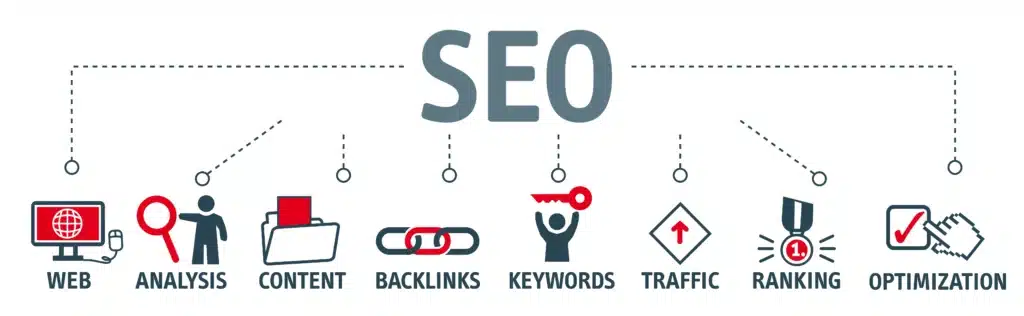
Here’s something many business owners miss: good UX helps both ads and organic search.
Google looks at experience signals like bounce rate, time on page, and engagement. Sites that are easy to use keep people around longer. That can help your rankings and make your ads more effective.
Think of it this way: Happy visitors = better SEO + better ad performance.
Customer insight: We’ve seen local business owners in Fort Worth increase leads just by simplifying their menu, making buttons bigger, and cleaning up clutter. It’s not fancy, it works.
Pick one page on your site and see how easy it is to use. Make small changes and watch engagement improve. If you want tips for avoiding mistakes, Top 5 Digital Marketing Mistakes for Fort Worth Businesses is a good read.
How to Measure What Works
You can’t improve what you don’t track. That’s why analytics and attribution are key.
Important metrics to track:
- CTR (Click-Through Rate): Are people clicking your ads?
- CPC (Cost Per Click): How much does each click cost?
- Conversion Rate: Are clicks turning into customers?
- ROAS (Return on Ad Spend): Are you making more than you spend?
- CAC (Customer Acquisition Cost): How much does it cost to get a customer?
Multi-touch attribution helps too. People often interact with multiple channels before buying. Analytics shows you which ads, search results, or social posts really contribute to sales.
Check your analytics this week. Find one metric to focus on and see if you can improve it. For a step-by-step guide on selecting the right partner to help, see How to Choose the Right Fort Worth Digital Marketing Partner.
Steps for Fort Worth Businesses to Optimize Ads
Here’s how to put it all together. You don’t need a big budget or fancy tools.
UX Audit Checklist:
- Page speed under 3 seconds
- Mobile-friendly design
- Clear headlines and CTAs that match your ads
- Trust signals like reviews or security badges
- Simple layout and navigation
Track Behavior: Set up analytics to see which pages people visit, where they drop off, and which actions lead to sales.
Test and Iterate: Try small changes. Move a button, rewrite a headline, tweak a form. See what improves conversions.
Pick one landing page. Do a mini-audit this week. Fix one or two things that could make a visitor’s life easier. For more ideas on improving ad performance, check Boost Your Business with Fort Worth Digital Marketing Strategies.
Common Mistakes to Avoid
- Sending ad traffic to slow or confusing pages
- Treating SEO, UX, and ads separately
- Ignoring multi-touch attribution
- Overloading pages with too much content or flashy elements
- Thinking you can optimize once and forget it
Even small mistakes cost money. Fixing them is often easier than you think.
Review your site for one common mistake today. Start small and fix it.
Long-Term Benefits
When you combine analytics, UX, and SEO:
- Lower ad costs, higher ROI
- Better organic traffic
- Stronger customer trust
- Data-driven decisions
- Sustainable growth
Over time, your site works harder for your business without spending more money.
Look at your current ad spend. What one UX or SEO improvement could give you better results next month?
Key Takeaways
- Analytics shows what works and what doesn’t.
- UX design keeps visitors from leaving.
- Good UX helps both ads and SEO.
- Track important metrics and use multi-touch attribution.
- Regularly audit, test, and tweak your site.
- Avoid sending traffic to poor landing pages or confusing layouts.
- Small improvements add up to big results over time.
Conclusion
Advertising doesn’t have to be a guessing game. When you understand how UX design boosts SEO rankings, you start to see why user experience, analytics, and SEO signals matter so much. Together, they help you get more value from every click, not by spending more, but by making your website work better for real people.
Take a look at your site today. Can visitors find what they need quickly? Do your pages load fast and feel easy to navigate? Does the landing page actually match what your ad promised? These small details shape how users interact with your site, and they directly affect conversions, ad performance, and search visibility.
Even small improvements can lead to noticeable gains. Cleaning up a layout, speeding up a page, or clarifying a call-to-action can make a real difference. If you want a fresh perspective on how UX, SEO, and analytics can work together, Panther City Marketing can help. We work with businesses to review websites, improve user experience, and align ads and pages so every click has a better chance to convert.

Every dollar counts. When your site is built with users in mind, your marketing works smarter, not harder.
Client Spotlight
The team at Panther City Marketing have done an excellent job in supporting me and my business. I would recommend their services without reservations. I want to express a huge thank you to Megan and the team for all their hard work, timely responses and professionalism. –April Gonzales ⭐️⭐️⭐️⭐️⭐️
FAQs
Q: How fast can I see results after improving UX?
A: Sometimes in weeks. Even simple fixes like faster pages, clearer buttons, or a simpler form can increase conversions quickly.
Q: Do I need expensive analytics tools?
A: Not at all. Google Analytics can cover most tracking needs. You can add heatmaps or session recordings if you want more detail.
Q: Will UX changes make my site boring?
A: No. You can keep your brand personality while making it easier to use. UX is about clarity, not removing style.
Q: What’s the difference between focusing on ads vs. UX + SEO?
A: Ads get clicks now, UX + SEO helps keep those visitors and turn them into customers. Both work best together.
Q: How often should I audit my site?
A: At least quarterly. If you run frequent ads, check monthly. Small updates regularly are better than big changes once a year.
Reference:
Park University –How to Leverage Data Analytics for Smarter Marketing Decisions