
For Fort Worth small business owners, local advertising is no longer optional, it is essential. But with limited budgets and countless marketing options, one question comes up again and again: SEO vs PPC for small business, which one deserves your investment? That question sits at the heart of understanding Fort Worth SEO and Paid Ads and how each fits into a smart local strategy.
Search engine optimization (SEO) promises long-term growth and credibility, while pay-per-click (PPC) advertising offers immediate visibility and fast leads. Both approaches can work, but they serve very different purposes, especially when budgets are tight and results matter quickly.
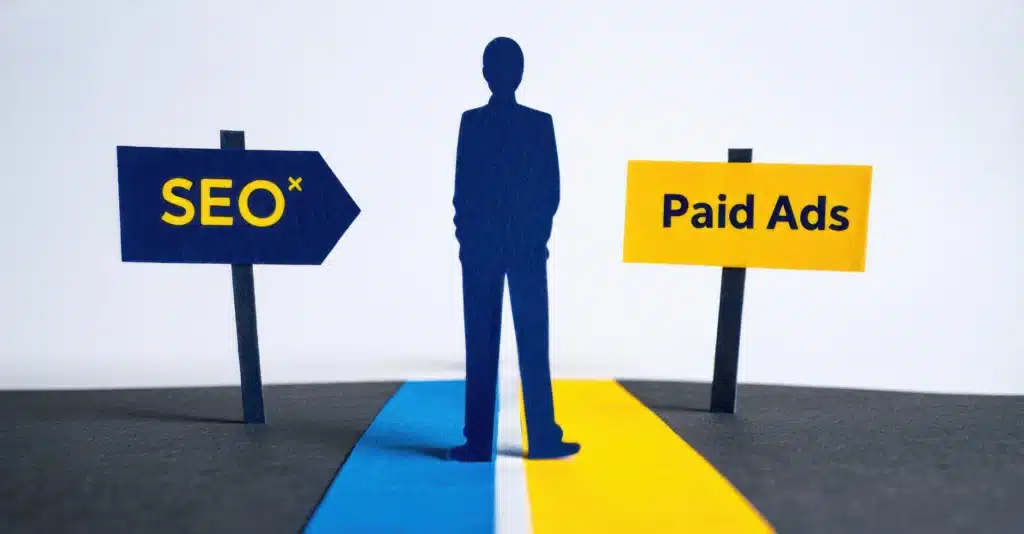
This guide is designed to help local business owners make smart, ROI-focused decisions. Instead of pushing one tactic over the other, we will break down how SEO and PPC work, what they cost, and when each makes the most sense. More importantly, we will show you how blending SEO and PPC strategically can stretch your budget further, reduce risk, and build sustainable local visibility over time.
By the end of this article, you will understand how to allocate your marketing dollars wisely, whether you are just starting out, trying to generate leads fast, or building long-term authority in Fort Worth’s competitive market.
Understanding SEO (Organic Marketing)
What Is SEO?
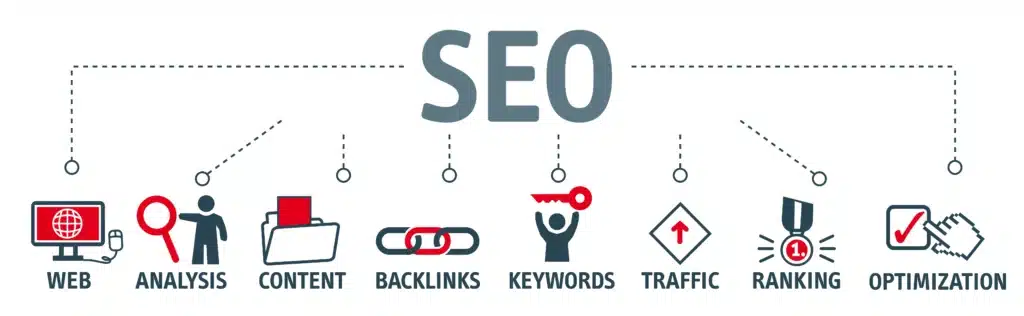
Search engine optimization (SEO) is the process of improving your website’s visibility in organic (non-paid) search results. When someone searches for services or products related to your business, SEO helps your site appear higher on Google without paying for every click.
SEO includes:
- Keyword optimization
- Content creation
- Technical website improvements
- Local SEO signals like Google Business Profile optimization
Unlike paid ads, SEO does not stop working when the budget pauses. Instead, it builds compounding value over time.
How Local SEO Works for Fort Worth Businesses
For local businesses, SEO is heavily influenced by geographic relevance. Google prioritizes businesses that demonstrate:
- Accurate NAP (Name, Address, Phone) data
- Location-specific content
- Reviews and local authority
- Proximity to the searcher
Local SEO allows Fort Worth businesses to appear in:
- Google Maps results
- “Near me” searches
- Local service queries
This is especially powerful because local searchers often have high purchase intent, making SEO a cornerstone of long-term local advertising strategies. Learn more about ranking higher locally in our guide: SEO in Fort Worth: How to Rank Higher on Google in a Competitive Local Market.
Pros and Cons of SEO for Local Advertising
Pros
- Long-term ROI with no cost per click
- Builds trust and credibility
- Higher click-through rates than ads
- Sustainable traffic growth
Cons
- Slower to show results
- Requires ongoing effort and expertise
- Competitive keywords take time to rank
SEO works best when treated as an asset, not a campaign. Each piece of content and optimization effort adds value that compounds, something paid ads cannot replicate. Explore more about how SEO compares to paid ads here: Fort Worth SEO vs. Paid Ads: Which Is Right for Your Business?
Demystifying PPC (Paid Advertising)
What Is PPC?

Pay-per-click (PPC) advertising allows businesses to appear at the top of search results by paying for each click. Platforms like Google Ads and Facebook Ads let you target users based on keywords, location, demographics, and intent.
PPC is especially attractive because it delivers immediate visibility, and your ads can start generating traffic the same day they launch. Learn more in our detailed guide: Understanding PPC: A Guide for Fort Worth Small Businesses.
Popular Paid Advertising Channels
- Google Search Ads
- Google Local Services Ads
- Facebook and Instagram Ads
- YouTube Ads
Each platform serves a different purpose, but Google Ads remains the most common choice for local intent searches.
Pros and Cons of PPC for Small Businesses
Pros
- Immediate traffic and leads
- Precise targeting
- Full budget control
- Ideal for promotions or launches
Cons
- Traffic stops when ads stop
- Rising cost per click
- Requires ongoing optimization
- Can drain budgets quickly
PPC is best viewed as a testing and acceleration tool. It reveals which keywords and offers convert fastest, insights that can later guide SEO and content strategy.
SEO vs PPC: Side-by-Side Comparison
Cost Comparison
SEO typically requires upfront investment in content, optimization, and technical improvements. PPC charges for every click, regardless of conversion. For Fort Worth small businesses, understanding your budget is key: How to Determine a Marketing Budget for Your Small Business.
Time to Results and Budget Considerations
- PPC: Results in days or weeks
- SEO: Results in 3–6+ months
For businesses with limited budgets, this timing difference matters. PPC is faster but riskier, and SEO is slower but more stable.
Targeting and Audience Intent
PPC excels at targeting:
- Specific keywords
- Demographics
- Times of day
SEO captures:
- Informational searches
- Comparison shoppers
- Long-tail keyword traffic
Lead Quality, Trust and Conversions
Studies show organic results receive higher trust and click-through rates than paid ads. While PPC drives volume, SEO often drives higher-quality leads over time.
When to Use SEO, PPC, or Both
Scenarios Where PPC Comes First
- New business launches
- Seasonal promotions
- Immediate lead needs
- Testing new offers
PPC fills short-term gaps while SEO ramps up.
When SEO Should Be Your Foundation
- Long-term growth goals
- Budget-conscious strategies
- Competitive local markets
- Brand credibility building
SEO becomes more cost-effective with time.
How to Blend SEO and PPC for Maximum Local Impact
The smartest local advertising strategies combine both:
- Use PPC for immediate leads
- Use SEO for long-term stability
- Share keyword data between both
- Retarget organic visitors with paid ads
For a deeper dive on combining these strategies locally, see: Combining Local and Digital Marketing in Fort Worth for Maximum Impact.
Blended strategies reduce dependency on any single traffic source, protecting your business from rising ad costs or algorithm shifts.
Case Study Insights (Industry Data)
Research consistently shows that businesses using SEO and PPC together achieve higher conversion rates and lower overall acquisition costs than those using one channel alone.
Local businesses that reinvest PPC insights into SEO content strategies often see faster organic ranking improvements.
Quick Takeaways
- SEO builds long-term, sustainable traffic
- PPC delivers fast visibility but requires constant spend
- Budget-first strategies benefit most from blended approaches
- Organic results earn more trust than ads
- PPC data strengthens SEO decisions
- Local SEO is critical for Fort Worth businesses
Conclusion
Choosing between SEO vs PPC for small business is not about picking a winner, it is about building a strategy that fits your goals, timeline, and budget. PPC delivers speed and flexibility, making it ideal for short-term needs and testing. SEO provides stability, trust, and compounding ROI that supports sustainable growth.
For Fort Worth small business owners, the smartest local advertising strategy blends both approaches. By investing in SEO as your foundation and using PPC strategically to accelerate results, you gain the best of both worlds, immediate visibility today and reliable traffic tomorrow.
If you are unsure where to start or how to balance your budget effectively, working with a local digital marketing partner who understands Fort Worth’s competitive landscape can make all the difference. Explore how we can help: Fort Worth SEO vs. Paid Ads: Which Is Right for Your Business?

💬 What Our Clients Say
“Megan is a MASTER of Marketing — she just GETS IT!!! She is Creative, Attentive, Responsive AND Responsible!!! A great TEAM player, she is awesome to BRAINSTORM with our creative team at Cuffs to explore new avenues not previously considered and we LOVE her! Having managed several projects for us, she adds value by bringing her expertise to the table timely and professionally!! Love working with her! FIVE STARS!!!!” — Cynthia S. ⭐️⭐️⭐️⭐️⭐️
FAQs
1. Is SEO or PPC better for small business budgets?
SEO is better long-term, while PPC is better short-term. Budget-first strategies often combine both.
2. How long does SEO take to work for local businesses?
Most local SEO campaigns show results in 3–6 months, depending on competition.
3. Can PPC help SEO?
Yes, PPC keyword data helps identify high-converting terms for SEO content.
4. Are Google Ads worth it for local advertising?
They can be, especially for immediate visibility and lead generation. Learn more: Understanding PPC: A Guide for Fort Worth Small Businesses.
5. Should small businesses stop PPC once SEO ranks?
Not necessarily, PPC can still support promotions, testing, and retargeting.