
Running a small business in Fort Worth is not easy. You’ve got staff, customers, inventory, and a hundred little things pulling your attention every day.
Then someone says, “You need omnichannel marketing.”
Sounds fancy, right?
Here’s the thing: you’re already dealing with omnichannel behavior without even realizing it.
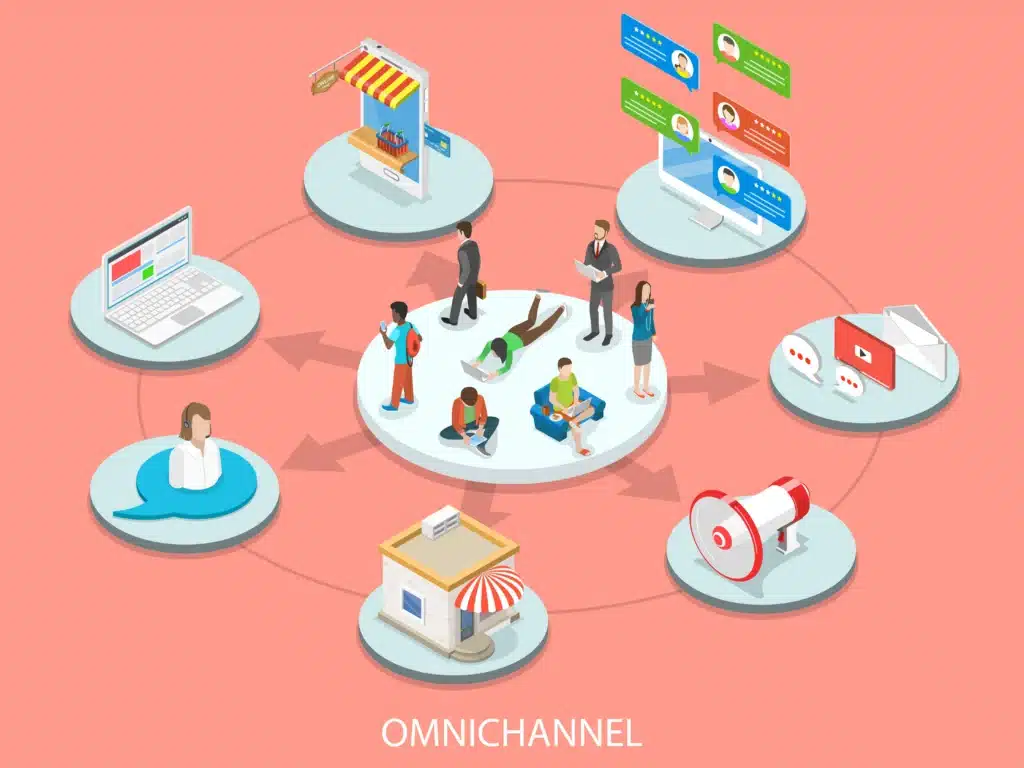
Customers:
- Google your business
- Check your reviews
- Visit your website
- Scroll your social media
- Call or text
- Maybe walk into your store
Then they decide if they buy.
If those pieces aren’t connected, you’re losing sales. Big time.
Omnichannel marketing Fort Worth businesses can actually use is about connecting those dots. Not adding more noise. Not juggling more platforms. Just making everything flow so your customers have a smooth experience.
In this guide, we’ll cover:
- What omnichannel marketing really means
- How Fort Worth buyers behave
- Steps to connect your marketing channels
- Core components of an integrated strategy
- How to track success and plan for the future
By the end, you’ll know exactly what works and what doesn’t. And if you need a little help along the way, we’ll show you where to start.
What Omnichannel Marketing Really Means for Fort Worth Businesses
Let’s make this simple.
Most people mix up multichannel and omnichannel marketing. Here’s the difference:
- Multichannel = You’re on multiple platforms. But each one works on its own. Ads, emails, social posts—they don’t talk to each other.
- Omnichannel = Everything works together. Your website, social media, email, and ads create one seamless experience.
Here’s how we handle it with Fort Worth businesses:
- Map every customer touchpoint. From social media clicks to in-store visits.
- Connect your tools so nothing slips through the cracks.
- Build smart follow-ups that respond automatically.
- Track what actually drives revenue.
Want to see how long-term traffic fits into all this? Check out our guide on Fort Worth SEO for long-term business growth. SEO alone won’t cut it—connected marketing does.
CTA: Take a minute and think about your marketing channels. Are they working together, or are they competing for attention? Not sure? Start here: Talk to our team.
Understanding Fort Worth Buyers
Customers today don’t follow a straight path.
They:
- Research online before visiting your store
- Read reviews on Google or Yelp
- Check social media for updates or specials
- Make decisions across multiple devices
This is called the ROPO effect. Research Online, Purchase Offline. Even if they buy in person, they’ve already checked you out online.
Most small businesses treat these interactions separately. That’s a problem.
By understanding your Fort Worth customers, you can:
- Make your website answer questions instantly
- Track what visitors do across channels
- Follow up in a way that feels personal, not spammy
Practical tip: Start small. Map just 3–5 customer touchpoints and see how they interact. Then connect your systems and messaging.
For a closer look at connecting touchpoints, check out marketing automation for Fort Worth small businesses.
CTA: Curious how your business stacks up? Schedule a quick consult.
Core Parts of an Integrated Marketing Strategy in Texas
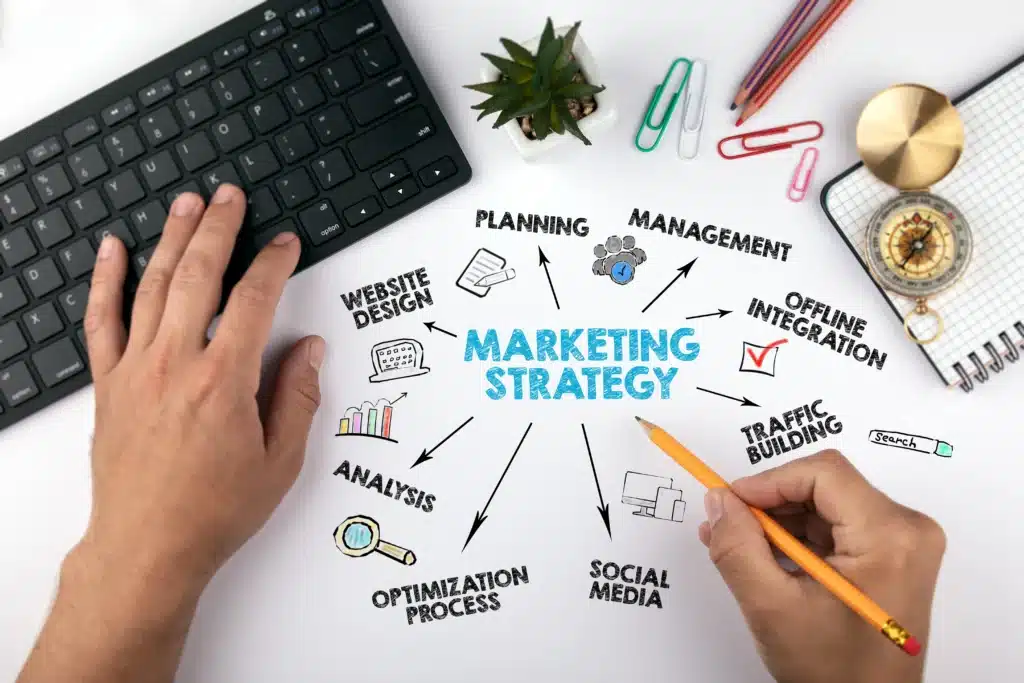
You don’t need a huge budget or fancy software to get your channels working together. You just need a plan that connects the dots.
1. Unified Customer Data
- Keep all customer info in one place.
- Track who visits your website, clicks an ad, or fills out a form.
- The goal: know your customer across every channel.
2. Consistent Messaging Across Channels
- Your website, social media, emails, and ads should all tell the same story.
- Confusing messaging loses trust.
3. Personalization That Works
- Small touches matter.
- Email someone with their name. Offer discounts based on past interactions.
4. Automation Without Overcomplicating

- Leads fill out a form? Send a thank-you email immediately.
- Click an ad? Retarget with a friendly reminder.
CTA: Tired of juggling marketing tools that don’t talk to each other? Start connecting your channels today. Check out our guide on Fort Worth digital marketing that works for small businesses.
How to Build an Omnichannel Marketing Strategy Step by Step
Step 1: Map Every Customer Touchpoint
- List every place a customer might interact with your business.
- Website, Instagram, Facebook, Google, emails, calls, in-store visits.
- Ask: does this feel connected to the others?
Step 2: Connect Your Tools
- Your website, CRM, and email platform should share data.
- That way, if someone visits your website, your email system or ads can respond automatically.
Step 3: Launch Loyalty or Incentive Programs
- Reward repeat customers with simple perks like discounts or early access.
- Even small gestures keep customers coming back.
Step 4: Track, Analyze, and Optimize
- Pay attention to metrics that show what actually drives revenue.
- Adjust campaigns based on real results.
CTA: Want help building a step-by-step system that actually works? Reach out to our Fort Worth team.
Measuring Success: KPIs That Matter
Tracking the right numbers tells you what’s working and what’s not.
Key KPIs:
- Customer Lifetime Value (CLV) – How much a customer spends over time.
- Customer Retention Rate – How many come back.
- Cost Per Acquisition (CPA) – How much it costs to get a new customer.
- Average Order Value (AOV) – How much people spend per purchase.
- Engagement Across Channels – Email clicks, social interactions, website visits.
CTA: Feeling overwhelmed by data? Start by focusing on two metrics, like CLV and CPA. Need guidance? Schedule a consult.
Future Trends in Omnichannel Marketing
Here’s what’s happening now and what’s coming next:
- Seamless experiences are expected – Customers move across channels without friction.
- Mobile-first behavior – Most shopping research happens on phones.
- AI is practical – Helps automate follow-ups and personalize offers.
- Physical and digital overlap – Buy online, pick up in-store is standard now.
- Data and personalization rule – First-party data lets you predict customer needs.
CTA: Want to future-proof your marketing for 2026? Start by capturing first-party data and using it consistently across channels.
Conclusion
At the end of the day, omnichannel marketing Fort Worth businesses need is not about doing more. It’s about making everything work together. When your website, social media, ads, and follow-ups are connected, your customers get a smoother experience and you get better results.
Most businesses are already showing up in multiple places. The difference is whether those efforts are aligned or working against each other. A clear, connected strategy helps you capture more leads, build trust, and turn interest into real revenue.
At Panther City Marketing (PCM), our team helps local businesses simplify and implement omnichannel marketing Fort Worth strategies that actually work. We focus on what drives results, not just what looks good on paper.

Ready to connect your marketing and grow your business? Reach out to the PCM team and let’s build a strategy that works for you.
References
- Omnichannel marketing statistics – retention rates, multi-touch behavior
- AI and personalization trends – marketing automation and AI usage
- KPIs for omnichannel – CLV, CPA, and tracking
- Omnichannel engagement data – analytics tips
- Online/offline behavior trends – ROPO effect and mobile usage